



Commercial Carpet Installer Newark NJ: How to Fix Uneven Concrete Before Laying Office Carpet
Category: Carpeting
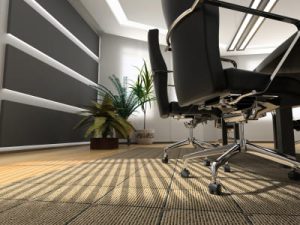
If your Newark office floor feels wavy or shows dips, the problem is almost always in the concrete. Before any broadloom or carpet tile goes down, a professional crew maps the slab, corrects defects, and verifies moisture conditions. That is the only way your new carpet will look sharp on day one and hold up under rolling chairs, carts, and daily foot traffic. For a deeper look at materials and styles, see our carpet flooring services. Many local teams are capable, but when you need a true commercial carpet installer Newark NJ, results start with precise prep.
Why Subfloor Prep Matters in Busy Newark Offices
Old concrete in Downtown Newark, Ironbound, and University Heights often has patches, hairline cracks, and low areas from past tenants. If those flaws stay, carpet stretches where it should not. You get ripples, seam stress, and premature wear along traffic lanes. Correct prep spreads weight evenly and keeps seams flat so chairs glide and tiles stay locked.
Think of your subfloor like the frame under a picture. If the frame is crooked, the picture never hangs straight. The same goes for carpet. Flat, clean, dry, and sound concrete is the frame that protects your finish.
How Pros Diagnose an Uneven Concrete Subfloor
A trained commercial flooring crew starts with an assessment that turns guesswork into a plan. The walk-through is quick, but it is detailed.
- Mapping: laser or straightedge checks to locate high spots, birdbaths, and slopes.
- Condition: notes on pits, spalls, old adhesives, coatings, and control joints.
- Moisture and pH: standardized tests recorded before any install steps begin.
- Traffic plan: routes for chairs, carts, and egress that need extra reinforcement.
The installer documents findings and sets measurable targets based on the carpet manufacturer’s requirements. That includes flatness checks, product-compatible primers, and curing windows that match the job schedule.
Newark’s summer humidity slows drying, and winter cold can delay cure in unconditioned spaces. Plan extra time for self-leveler and adhesive to set, especially during weekend or overnight installs. A small schedule buffer protects your carpet warranty and move-in date.
Self-Leveling Underlayment: The Go-To Fix for Dips and Waves
When concrete is uneven, self-leveling underlayment is the best all-around solution. The team cleans and primes the slab, mixes the material to spec, and pours in controlled sections. The underlayment seeks its level and fills dips so carpet has a smooth, reliable base.
Key checkpoints your crew tracks on paper:
- Primer coverage and cure time appropriate for the substrate.
- Pump or barrel-mix ratios logged to the bag count for consistent flow.
- Pond depth readings to confirm the planned build where floors were low.
- Walk-on and install windows respected so the surface is ready for carpet adhesive.
Skipping these steps invites telegraphing. Even small trowel lines or shallow birdbaths show through carpet tiles. That look does not pass for a modern office, and it shortens the life of the floor.
Cracks, Joints, and Slopes: What Your Installer Does
Cracks and control joints need special treatment so movement below does not stress the seams above. Your installer identifies static vs. moving cracks, repairs spalls, and honors joints per product recommendations. High spots are reduced with mechanical grinding. Slopes that cause rolling chairs to drift get corrected where possible or isolated with transitions. All of this is done before any carpet arrives at your site.
Moisture and pH Testing Keep Carpet Warranties Intact
Concrete can look dry and still release moisture that breaks down adhesive. That is why pros run in-slab RH, MVER, and pH tests, then document results. If tests are out of range, the project plan adds mitigation and compatible adhesive. These metrics are not optional. They are the line between a carpet that lasts and one that bubbles, stains, or smells within months.
For a broader overview of the process, you can also read our practical post on floor preparation for lvt and vct. Though it highlights resilient floors, the moisture logic is the same for carpet.
Tying Prep to Long-Term Performance and Looks
Good prep is not just about today’s walk-through. It boosts long-term value in three ways:
- Smoother seams mean fewer snags from chair casters and fewer trip risks.
- Even support prevents tile corners from rocking, which stops edge wear.
- Stable moisture and pH protect the adhesive bond so cleaning stays easy.
When managers ask why leveling and surface prep matter, the answer is simple. You are buying more than carpet. You are buying a foundation that keeps it flat and tight across everyday loads. That foundation is what stops ripples, seam splitting, and telegraphing that can show up fast in busy corridors.
Newark-Specific Considerations: Buildings, Weather, and Traffic
Many Newark buildings were modernized after earlier industrial use. Slabs may have patched areas or coatings from prior tenants. Office suites in the North Ward or near the hospital district also see heavy rolling loads and frequent re-configurations. Seasonal swings add to the challenge. Freeze-thaw cycles and humid summers change conditions indoors if HVAC is not stabilized during prep and cure.
Pro tip: keep HVAC running at typical occupied settings during testing and leveling so your results match real conditions. Another must: protect fresh prep from lift traffic and early chair use until the installer gives the green light.
How a Newark Commercial Flooring Contractor Sequences the Work
A professional crew follows a clear sequence so your team stays productive and safe:
First comes surface removal and cleaning if needed, then mechanical prep and priming. Next is self-leveling underlayment to correct low areas. After cure, the installer performs final checks and begins layout. Carpet tiles or broadloom go in last, with transitions and base finishing the space. If you want more detail on subfloor services between demolition and installation, review our page on floor preparation.
Choosing the Right Team for Office Carpet Installation in Newark
You want a partner who treats prep like part of the installation, not a separate add-on. Look for written steps that include testing, leveling plan, product compatibility, and cure windows. Request documentation that matches your carpet and adhesive specs. That is how Finish Line Flooring Services Inc. approaches every office project in Newark and across North Jersey. When you are ready to compare materials and maintenance paths, our carpet flooring services page can help you weigh broadloom against carpet tile for high-traffic zones.
Safety reminder: grinding and shot blasting create dust and noise. A professional team will isolate work areas, coordinate with your building, and protect air quality for staff and visitors.
What You Can Expect on Install Week
Commercial schedules are tight, especially near Prudential Center and the courthouse district. A well-run install week feels planned, not rushed. You will see labeled mixes, tight housekeeping, and a foreman checking flatness and bond. You will also get clear go/no-go times so furniture moves and IT work follow safely. The bottom line: disciplined prep prevents callbacks and keeps operations on track.








