


Sheet Vinyl vs. LVT in Healthcare: When Each Is the Better Choice
Category: Uncategorized
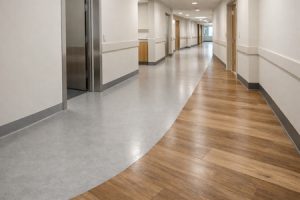 If you’re planning for new healthcare flooring in New Jersey, you’re likely weighing sheet vinyl against LVT. Both are resilient, both look great, and both can perform in high-traffic medical spaces across North and Central New Jersey, yet they shine in different ways. Below, we’ll break down where each option fits best so your facility gets durability, hygiene, and comfort without surprises.
As a local team, Finish Line Flooring Services Inc. installs both products every week in clinics, labs, and specialty care spaces. When you’re ready to compare finishes, transitions, and installation details, it helps to look at the room’s risks first-moisture, rolling loads, and cleanability-then weigh design and patient experience. If you want a fast overview of materials and specs, you can also scan our resilient flooring page for product types used in healthcare.
Why This Choice Matters for Healthcare in New Jersey
Healthcare floors work harder than almost any other surface. Winter slush and salt get tracked into entrances. Rolling equipment moves all day across long corridors in hospitals from Newark to Paramus. In labs, constant disinfecting challenges finishes. The right selection can reduce noise, ease cleaning, and help infection control protocols do their job.
It’s also a budget and scheduling issue. If a product needs more seams, more transitions, or more ongoing maintenance, your team will feel it during every turnover and deep clean. Getting the choice right means fewer disruptions later and a smoother path through Joint Commission inspections and routine audits.
When Sheet Vinyl Is the Better Choice for Infection Control Floors
Sheet vinyl comes in wide rolls that minimize seams. In clinical spaces where contamination risk is higher, fewer seams mean fewer places for soil or moisture to linger. When seams are heat-welded and the floor is flashed up the wall into an integral cove, you get a continuous, easy-to-sanitize surface.
- Ideal zones: procedure rooms, clean utility, soiled utility, med rooms, labs, and patient bathrooms.
- Best details: heat-welded seams, integral cove base, tight transitions at door frames and casework.
Heat-welded seams seal out moisture and microbes better than most alternatives. That’s why your infection prevention team often prefers sheet vinyl where mop water, bodily fluids, or frequent disinfectants touch the floor daily. It’s also a win where staff wants faster turn times after cleaning.
When LVT Is the Better Choice for Staff and Patient Experience
LVT brings design depth, quiet underfoot, and comfort for long shifts. Wood and stone visuals help waiting rooms and corridors feel warmer, which can lower perceived stress for patients and families. Modern commercial LVT lines resist scuffs and stains and clean up with simple, neutral cleaners that play nicely with manufacturer topcoats.
We see LVT excel in administrative areas, behavioral health day rooms, waiting spaces, and long corridors where design continuity matters. It’s easier to replace a plank if damaged, which is helpful in busy wings where carts and beds occasionally leave a mark.
Heat-Welded Seams and Cove Base Transitions: Small Details, Big Impact
The details around the perimeter and seams often decide longevity. Sheet vinyl lets installers heat-weld seams so the surface acts like one continuous sheet. Add an integral cove base transition and cleaning crews can wet mop right to the wall without liquid sneaking behind rubber base or under casework.
LVT uses tight plank joints over a properly prepared, adhesive-set substrate. It does not heat-weld, so your edge detailing matters even more. At sinks or showers, LVT usually isn’t the first choice because it can’t form a watertight cove up the wall. In those splash zones, sheet vinyl’s flash-cove solution keeps moisture where it belongs-on top of the floor where it can be wiped away.
Durability and Rolling Loads in Busy NJ Facilities
Hospital beds, medication carts, and equipment create concentrated loads at wheels and casters. Both sheet vinyl and LVT can handle rolling traffic when installed over a smooth, properly prepared substrate. Look for healthcare-rated wear layers and adhesives designed for heavy rolling loads.
In long New Jersey corridors, we often specify sheet vinyl when constant rolling traffic meets frequent cleaning. LVT remains a strong pick in nurse stations and waiting areas where the loads are lighter and the design impact matters more. Either way, substrate flatness is critical-telegraphing from a rough subfloor is what causes most early complaints.
Moisture, Cleaning Protocols, and Chemical Resilience
Both materials pair well with daily disinfecting, but compatibility with specific chemicals varies by brand. Many healthcare sheet vinyl products are engineered for regular exposure to disinfectants and frequent wet mopping. LVT with a factory topcoat performs well too, especially in areas where spray-and-wipe is the norm rather than standing water.
New Jersey humidity swings can slow cure times and affect adhesives if HVAC isn’t stable. Before you set an install date, confirm surface moisture testing and adhesive selection. For a deeper look at why prep matters, see our post on floor preparation for LVT installs and how small subfloor steps protect warranties.
In winter, salt and meltwater tracked from parking lots can dull finishes fast. Ask your janitorial vendor to place longer matting runs at entrances, rotate microfiber heads more often during flu season, and confirm that disinfectants are compatible with your floor’s topcoat. A few tweaks here cut wear and keep slips and trips down when New Jersey weather turns messy.
Design, Acoustics, and Wayfinding
LVT offers richer textures and plank layouts that mimic wood and stone, which helps with wayfinding and visual zoning. You can guide traffic by shifting tone or pattern between corridors and pods. Sheet vinyl now comes in attractive patterns too, but it’s still the go-to where you need the cleanest, most continuous surface.
Noise matters in recovery rooms and open waiting areas. Some LVT systems and sheet vinyl lines include acoustical backing or can be installed with sound-reducing underlayment approved by the manufacturer. In multi-story medical office buildings around Bergen County, that extra decibel drop can help keep neighboring suites quieter.
Maintenance Realities and Lifecycle Planning
Most healthcare sheet vinyl is scrub-and-go with neutral cleaners and, when specified, polish-optional finishes. LVT also avoids the old-school strip-and-wax cycle found with VCT, saving staff time and cutting chemical exposure. Plan a training handoff with your custodial team so they know the approved cleaners and pad types for your exact product.
Repairs differ too. With sheet vinyl, localized damage may require patching and rewelding. With LVT, pop out the affected planks and replace them. Your facility’s staffing and replacement inventory should guide which repair approach you prefer.
Making the Call: A Simple Room-by-Room Framework
- High-risk wet areas: sheet vinyl with heat-welded seams and integral cove base.
- Public corridors needing warmth and wayfinding: LVT with abrasion-resistant topcoat.
- Nurse stations and admin zones: LVT for comfort and quick plank replacement.
- Procedure-adjacent rooms and labs: sheet vinyl for easier disinfection and moisture control.
Avoid click-together LVT in critical care areas where water exposure or heavy rolling loads are routine; glue-down systems with the right adhesive are more stable. For entrances that see winter moisture, consider sizing walk-off mats to the full width of the doorway and at least 10 to 15 feet deep so floors stay safer and finishes last longer.
What To Discuss With Your Installer Before You Decide
Before you commit, align the stakeholders-facilities, nursing, infection prevention, and EVS-around a short list of specs. The conversation should cover seam strategy, cove base transitions around casework and sinks, adhesive selection based on surface moisture tests, and how the edge details meet thresholds and transitions. A few minutes here can save hours during punch lists.
Also ask about move logistics, night work, and containment. In active clinics from Jersey City to Morristown, negative air and dust control protect patients and staff while work proceeds safely after hours. That coordination keeps your schedule intact and avoids surprises on opening day.
Bringing It All Together With a Local, Healthcare-Focused Partner
Choosing between sheet vinyl and LVT isn’t about which product is “better.” It’s about the right fit for each zone in your facility. If infection control and wet cleaning rule the day, sheet vinyl with welded seams usually wins. If patient experience, acoustics, and quick spot replacement matter most, LVT often delivers the best daily feel.
When you want help shaping the scope, our team can map rooms, plan transitions, and select adhesives that hold up to real New Jersey conditions. You can browse healthcare-ready materials on our resilient flooring page, then loop in your EVS lead so cleaning protocols match the product from day one. If you prefer a broader view of services, our commercial flooring in New Jersey overview explains how Finish Line Flooring Services Inc. stages work to minimize downtime.
Ready to match the right surface to each room and get a clean, quiet result your teams will love? Call Finish Line Flooring Services Inc. at 201-803-4878 and let’s plan a healthcare floor that performs through every season in New Jersey.








